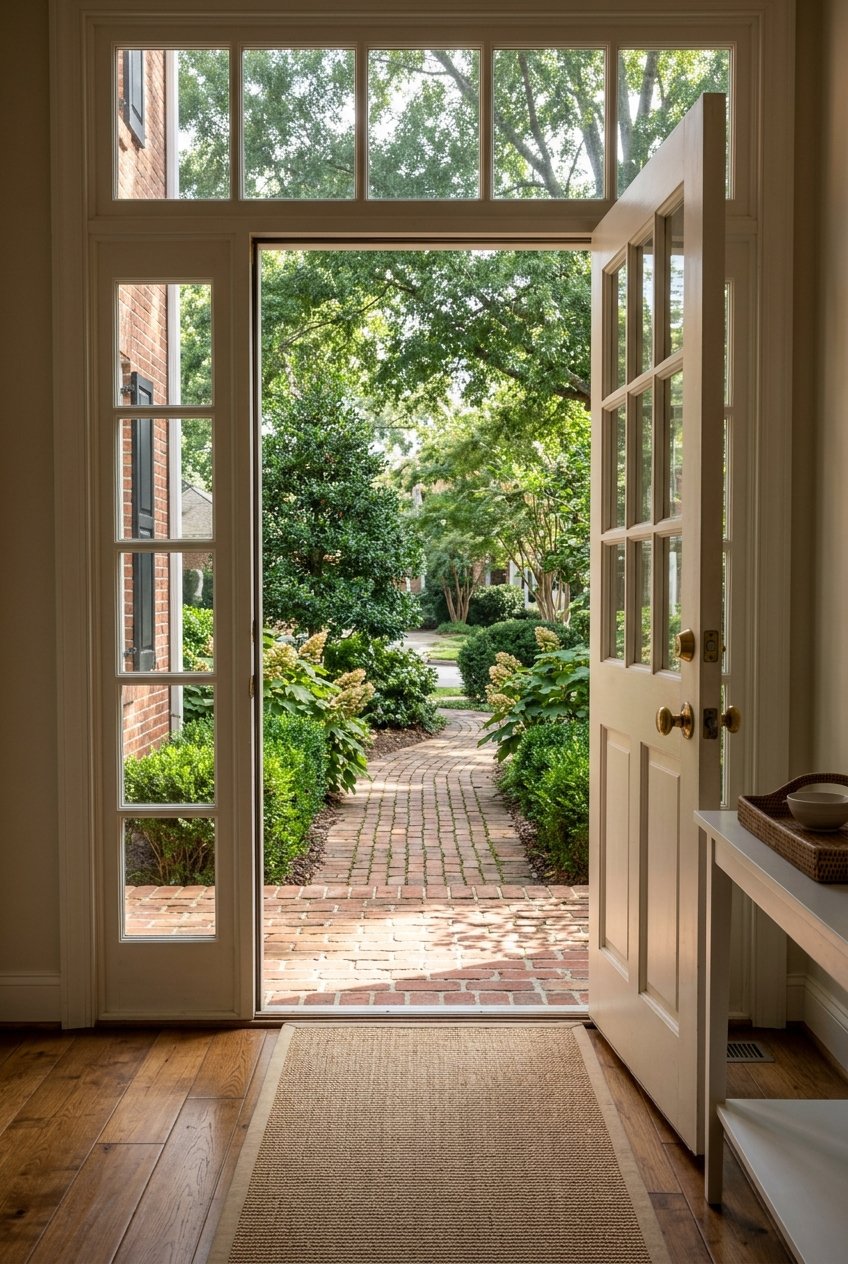
If you want an intown Atlanta neighborhood that feels tucked away without feeling cut off, Brookwood Hills is worth a close look. For many buyers, the challenge is finding a place with real character, green space, and a connected location all at once. Brookwood Hills stands out because it offers historic charm, a strong neighborhood identity, and quick access to some of Atlanta’s biggest activity centers. Let’s dive in.
Why Brookwood Hills Stands Out
Brookwood Hills is a small intown Atlanta neighborhood with a long-established planned-subdivision identity. The City of Atlanta describes it as a 1920s district with curving streets, shallow setbacks, uniform street landscaping, and an enclave layout shaped around trees and limited through traffic.
That physical layout still matters today. When you drive through Brookwood Hills, the streetscape feels intentional and cohesive rather than accidental. You get a neighborhood that feels residential and tucked away, even though it sits close to major intown destinations.
Brookwood Hills Has Historic Credibility
If you are wondering whether Brookwood Hills is truly historic, the answer is yes. It has both a National Register historic district listing and a separate City of Atlanta conservation designation.
Those two designations are related, but they are not the same. The National Park Service lists Brookwood Hills Historic District in Atlanta as having been listed in 1979, while the City of Atlanta designated Brookwood Hills as a Conservation District on November 28, 1994.
The neighborhood’s earliest phase was developed between 1922 and 1924 under O.F. Kauffman and B.F. Burdett. According to the City of Atlanta, the original plan drew from the Olmsted tradition, and Burdett specified regularly planted street trees and crape myrtles.
The city also notes that early homes were designed by notable Atlanta architects including Neel Reid, Walter Downing, and Flippen Burge and Preston Stevens. That background helps explain why Brookwood Hills feels architecturally rich and visually distinctive today.
Homes in Brookwood Hills
One of the biggest draws here is that the homes are varied without feeling disconnected. Brookwood Hills is not a neighborhood of copy-and-paste houses.
The earliest phases include bungalows and 1920s revival styles such as Tudor, Georgian, and Colonial homes. Later phases introduced smaller Depression-era and postwar houses, while the New Camden section reflects 1960s preferences for more traditional two-story homes.
That mix creates a neighborhood that feels layered over time. You can see different eras of Atlanta residential design while still feeling a shared identity from the streetscape, lot patterns, and mature landscaping.
There is also some newer infill in the neighborhood. For buyers, that means you may find anything from a classic early 20th-century home to a later traditional house or a newer property that fits into the broader setting.
A Park-Like Setting With Real Amenities
Brookwood Hills is not just known for attractive homes. Amenities are a major part of the neighborhood story.
The Brookwood Hills Community Club lists pool membership, swim team, tennis courts, ALTA teams, social events, a park, and a playground among its member perks. The club also says it includes a five-acre park and 75 acres of protected green space.
That is a meaningful feature for buyers who want more than just a pretty streetscape. In many intown neighborhoods, green space and recreation are limited to what is nearby. In Brookwood Hills, resident-centered amenities are part of the neighborhood identity itself.
The club’s history also adds to that sense of continuity. It says the pool area began as a spring-fed lake and later evolved into neighborhood recreation features that include the bathhouse, tennis courts, and playing fields.
Community Feel Without a Remote Location
A lot of Atlanta buyers want a balance that can be hard to find. You may want a quieter residential setting, but you do not want to feel far away from work, dining, shopping, or healthcare.
Brookwood Hills is positioned well for that balance. A recent neighborhood profile places it off Peachtree, just south of Buckhead and just north of Ansley Park and Midtown, near the I-75 and I-85 split, with restaurants, shops, and Piedmont Hospital close by.
That location is a big part of the appeal. The City of Atlanta has historically described the area as lying between the city and Buckhead, and that in-between position still helps define how the neighborhood functions today.
Access to Midtown and Buckhead
For many buyers, Brookwood Hills works because it combines residential character with access to major business and retail districts. Midtown Alliance describes Midtown as a major activity center and premier business district with more than 24 million square feet of office space and more than 70,000 employees reporting to work there each day.
Buckhead also remains a major commercial area. The Buckhead CID focuses its work on Buckhead’s commercial core and on maintaining a safe, accessible, and vibrant urban environment.
What does that mean for you as a buyer? In practical terms, Brookwood Hills offers a quieter neighborhood setting while keeping you close to two of Atlanta’s most important intown hubs.
What Brookwood Hills Feels Like Day to Day
The appeal here is not just about architecture or location on a map. It is about how those pieces come together in daily life.
The curving streets, mature trees, and limited through traffic help create a more sheltered feel than you might expect from such a central location. At the same time, nearby access to Peachtree, Buckhead, and Midtown supports a more connected intown routine.
That combination is one reason Brookwood Hills continues to attract attention from buyers who want character and convenience in the same place. It offers a residential atmosphere that feels established and intentional rather than purely transitional.
What Buyers Should Know About Inventory
Because Brookwood Hills is a small neighborhood with a strong identity, available homes may be limited at any given time. Buyers often need patience, quick decision-making, and a clear understanding of what matters most to them.
You may also see a broad range of home styles and sizes. A recent neighborhood snapshot reported an average single-family sales size of 2,272 square feet, a highest price per square foot of $549, and a highest sale of $3.4 million over the prior 12 months.
It helps to treat those figures as a reference point rather than a fixed rule. In a neighborhood with architectural variety, phased development, and some newer infill, pricing can shift based on condition, updates, lot characteristics, and exact location within the neighborhood.
Why Brookwood Hills Appeals to Relocating Buyers
If you are moving to Atlanta from out of town, Brookwood Hills can be especially compelling. It offers a recognizable neighborhood identity, established homes, strong visual appeal, and an easy-to-understand intown location.
For relocators, that can make the search feel more manageable. Instead of choosing between charm and convenience, Brookwood Hills often enters the conversation because it gives you elements of both.
This is also where neighborhood-specific guidance matters. In a place with preservation context, varied architecture, and a limited number of listings, local knowledge can make a real difference when the right home comes available.
How Ashley Altenbach Helps You Navigate Brookwood Hills
Whether you are buying in Brookwood Hills or preparing to sell a home nearby, a neighborhood-specific strategy matters. Ashley Altenbach focuses on Atlanta’s intown and Buckhead submarkets, with a high-touch, concierge-style approach built around local knowledge, responsiveness, and clear communication.
For buyers, that means smart guidance on fit, timing, and competitive offer strategy in neighborhoods where inventory can move quickly. For sellers, it means thoughtful pricing, elevated presentation, and modern marketing exposure designed to help your home stand out.
If Brookwood Hills is on your shortlist, it helps to work with someone who understands how these established intown neighborhoods differ from one block to the next. To talk through your next move, connect with Ashley Altenbach.
FAQs
Is Brookwood Hills in Atlanta a historic neighborhood?
- Yes. Brookwood Hills has both a National Register historic district listing and a separate City of Atlanta conservation district designation.
What types of homes are found in Brookwood Hills Atlanta?
- Homes in Brookwood Hills include bungalows, 1920s Tudor, Georgian, and Colonial revival styles, later postwar homes, 1960s traditional houses, and some newer infill.
What amenities are associated with Brookwood Hills?
- The Brookwood Hills Community Club lists amenities and activities including a pool, swim team, tennis courts, ALTA teams, social events, a park, a playground, five acres of park space, and 75 acres of protected green space.
Why do buyers consider Brookwood Hills for intown living?
- Buyers often consider Brookwood Hills because it offers a tree-lined residential enclave feel with access to Buckhead, Midtown, restaurants, shops, and major routes.
Where is Brookwood Hills located relative to Midtown and Buckhead?
- Brookwood Hills is located off Peachtree, just south of Buckhead and just north of Ansley Park and Midtown, near the I-75 and I-85 split.