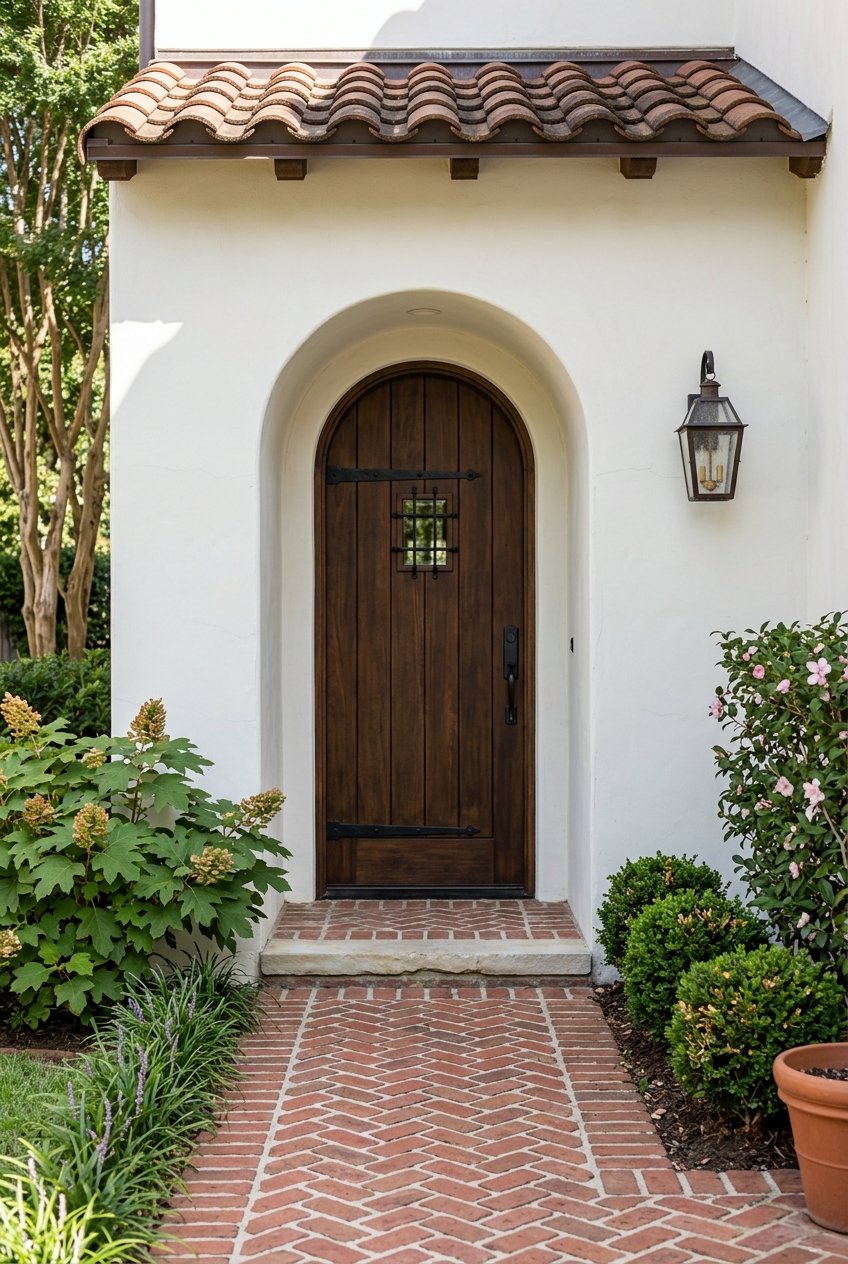
If you are house hunting in Garden Hills, one thing becomes clear fast: this neighborhood does not win buyers over with cookie-cutter homes. Its appeal comes from a mix of architectural styles set within a historic, tree-filled streetscape that feels cohesive without feeling repetitive. When you understand which styles show up here and why they resonate, you can make a smarter decision as a buyer or position your home more effectively as a seller. Let’s dive in.
Why architecture matters in Garden Hills
Garden Hills began as a planned Buckhead neighborhood in 1925, and its historic core reflects that early vision. The neighborhood is known for winding streets, mature hardwoods, pocket parks, and more than 750 single-family homes, with some of the oldest streets receiving historic-district status in 1987.
That setting shapes buyer appeal in a meaningful way. Garden Hills is not defined by one single look. Instead, its charm comes from variety within a consistent historic environment, especially across homes built during the district’s period of significance from 1925 to 1949.
Architectural styles buyers notice most
The historic record identifies several styles in Garden Hills, including Georgian, Neoclassical, English Revival or Tudor, Spanish Revival, International or Modernistic, and Moorish examples. The older sections are also associated with Georgian, Tudor, Spanish Revival, and Craftsman homes.
For buyers, that range creates options. You can find homes that feel formal and symmetrical, warm and old-world, or more intimate and handcrafted, all within the same neighborhood context.
Georgian and Colonial Revival appeal
Georgian and Georgian Revival homes tend to stand out for their symmetry, balance, and established street presence. In Garden Hills, that style often feels especially at home among mature landscaping and curved streets, giving buyers a sense of permanence and classic character.
A local example is 318 Brentwood Dr NE, described as a renovated Georgian two-story overlooking Sunnybrook Park. It sold in 2021 for $1.21 million and is now estimated around $1.76 million, which helps show how strong presentation, classic architecture, and setting can combine to attract demand.
For many buyers, this style checks an emotional box. It often feels timeless, polished, and easy to picture as a long-term home.
Spanish Revival and Mediterranean warmth
Spanish Revival is part of Garden Hills’ architectural mix, and it adds a very different type of charm. Buyers drawn to arches, stucco finishes, courtyard-style living, and a warmer old-world feel often respond strongly to this look.
A helpful local reference is the Alhambra at 2855 Peachtree Rd NE, a Mediterranean-inspired or Spanish-styled landmark built in 1927. Because it is a condo building, it is better used as a style reference than a pricing comparison for single-family homes, but it still highlights the visual language that makes this design memorable.
This style tends to appeal to buyers who want character that feels romantic and distinctive. In a neighborhood with many traditional homes, that difference can be a real draw.
Craftsman and English cottage character
Garden Hills also includes Tudor, English cottage, and Craftsman influences, with the historic nomination noting a high degree of craftsmanship in many of these homes. This category often resonates with buyers who value texture, detail, and a more human-scaled feel.
Features that tend to stand out include visible millwork, inviting porches, and details that feel handcrafted rather than purely formal. Those elements can make a home feel especially welcoming without losing architectural credibility.
Recent examples help illustrate the range. 2761 Alpine Rd NE was described as a Garden Hills Craftsman built in 2015, while 2573 Acorn Ave was marketed as a craftsman/traditional home with proximity to neighborhood amenities like the pool, playground, clubhouse, and shops.
Modern infill and new construction
Not every buyer in Garden Hills wants an untouched historic home. Some want newer construction, more open living, and modern convenience, but still want the neighborhood’s charm and setting.
The strongest new construction in Garden Hills tends to succeed when it respects the scale, materials, and rhythm of the surrounding block. Rather than ignoring neighborhood context, the best homes borrow cues from it.
One example is 87 Sheridan Dr NE, marketed as new construction in the Sheridan Collection by Hedgewood Homes. It was described as European-inspired and included features such as a courtyard, rooftop terrace, elevator, and saltwater pool, with an asking price of $2.87 million.
Another example is 419 Brentwood Dr NE, a 1940s home reimagined with a glass-and-steel addition while preserving its curved staircase. Even a 1967 contemporary home at 365 Brentwood Ter NE shows that cleaner-lined architecture can work here when the site and landscaping are handled thoughtfully.
What buyers are really responding to
In Garden Hills, architecture matters, but it rarely acts alone. Buyers typically respond to the full package: the style of the house, how it sits on the lot, the landscaping, the quality of updates, and how well the home fits the street.
That is a big reason standout homes can trade well above the broader neighborhood median. As of April 2026, Garden Hills had a median sale price of $859,680, median days on market of 44, and a sale-to-list ratio of 98.7%.
At the same time, higher-profile homes such as 87 Sheridan, 318 Brentwood, 2761 Alpine, and 365 Brentwood sit well above that median. The research suggests that architecture influences demand at the margin, but square footage, lot size, and renovation quality still matter just as much.
Renovation patterns that support buyer appeal
One of the most consistent themes in Garden Hills is selective modernization. Instead of wiping away original character, many appealing homes preserve the front presence or an important architectural feature, then update the parts of the home that shape daily living.
That often means:
- Preserving original staircases or defining architectural details
- Updating kitchens and baths
- Opening up main living spaces
- Adding outdoor rooms or additions that stay subordinate to the original house
Examples in the neighborhood reflect that pattern clearly. 2806 Atwood Rd NE kept its original staircase while updating the kitchen and baths, 382 Brentwood Dr NE added a three-story addition that blends with the original structure, and 419 Brentwood Dr NE preserved its curved terrazzo staircase while adding a modern wing and pool.
For buyers, these homes can offer the best of both worlds. You get historical texture and neighborhood fit without giving up the functionality many people want today.
Why compatibility matters in Garden Hills
Garden Hills is located within Atlanta’s SPI-24 review context, which means exterior alterations, additions, and tear-down or rebuild plans should be checked carefully against local review requirements. That does not mean change is impossible, but it does mean compatibility matters.
In practice, homes tend to feel most successful when they echo the scale, massing, and material language of the block. Buyers often notice when a home feels settled into its surroundings, and that sense of fit can strengthen appeal.
This is also useful for sellers to understand before making improvements. The most effective updates usually enhance what is already working instead of forcing a completely unrelated look.
What this means if you are buying
If you are buying in Garden Hills, it helps to think beyond broad labels like “historic” or “updated.” Two homes with similar square footage can attract very different reactions depending on style, renovation choices, and how well the architecture aligns with the site.
A few smart questions to ask as you evaluate homes include:
- Does the home’s style feel authentic to the street?
- Have updates preserved meaningful original features?
- Does the addition or renovation feel secondary to the original structure?
- Do the landscaping and exterior details support the architecture?
- Are you paying for true design quality, or just newer finishes?
These questions can help you separate lasting value from surface-level appeal. In a neighborhood as nuanced as Garden Hills, that distinction matters.
What this means if you are selling
If you own a home in Garden Hills, your architectural style is part of your marketing story. Buyers are often not just shopping for bedrooms and bathrooms here. They are shopping for character, fit, and the feeling of a specific kind of home in a specific kind of neighborhood.
That means presentation should highlight the details that make your property distinctive. Depending on the house, that could be symmetry and street presence, original craftsmanship, arches and courtyard influence, or a carefully executed renovation that respects the home’s roots.
It also means pricing should be grounded in more than surface comparisons. In a neighborhood with wide architectural variety, strong pricing strategy depends on understanding how style, condition, lot, and setting come together in buyer perception.
If you are preparing to sell or trying to buy the right home in Garden Hills, working with someone who understands these micro-level differences can make the process much clearer. For neighborhood-specific guidance, pricing insight, and a thoughtful strategy tailored to your goals, connect with Ashley Altenbach.
FAQs
What architectural styles are found in Garden Hills, Atlanta?
- Garden Hills includes Georgian, Neoclassical, English Revival or Tudor, Spanish Revival, International or Modernistic, Moorish, and Craftsman influences, especially in its older sections.
Why do buyers care about architectural style in Garden Hills?
- Buyers often respond to how a home’s style, setting, and updates work together, because Garden Hills is valued for variety within a cohesive historic streetscape.
What home style feels most classic in Garden Hills?
- Georgian and Colonial Revival homes often feel the most classically formal, with symmetry, balanced facades, and strong street presence.
Do modern homes fit in Garden Hills?
- Modern homes and new construction can work well in Garden Hills when they respect neighborhood scale, materials, and overall street context.
What kinds of renovations tend to appeal to Garden Hills buyers?
- Buyers often respond well to renovations that preserve original architectural features while updating kitchens, baths, living spaces, and outdoor areas in a way that feels compatible with the original home.
What should Garden Hills buyers check before planning exterior changes?
- Buyers should confirm local review and permitting requirements for exterior alterations, additions, or rebuild plans, since Garden Hills falls within Atlanta’s SPI-24 review context.